
25 Nov Should You Spend Money to Save on Tax? (And Why Timing It Before April Matters)
Should You Spend Money to Save on Tax? (And Why Timing It Before April Matters)
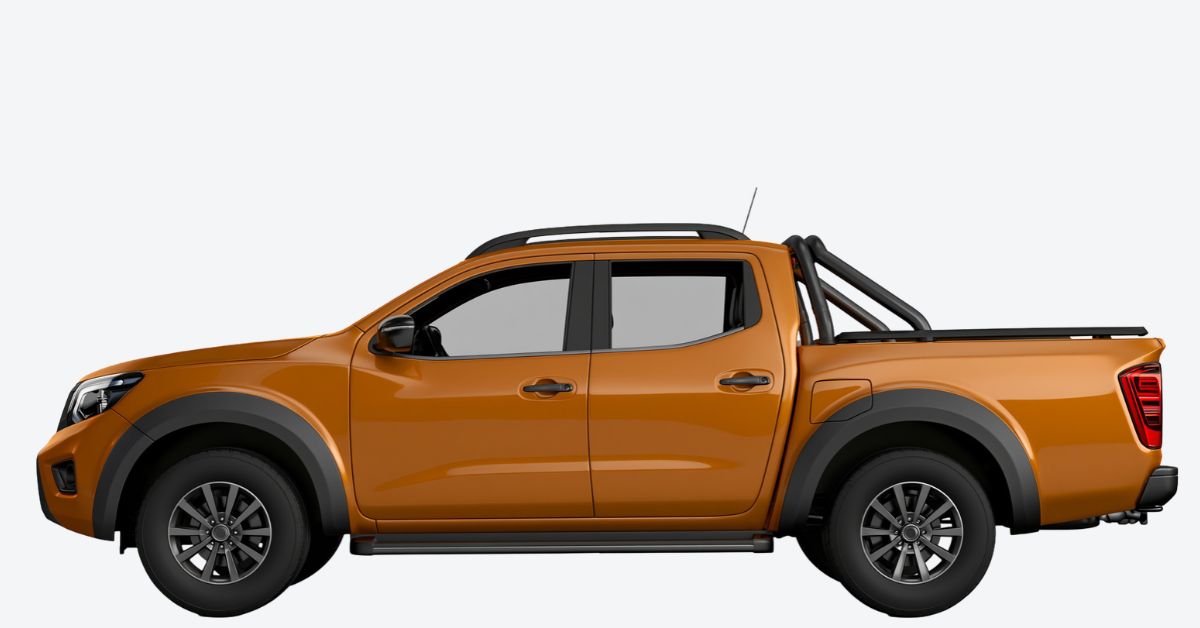
A common question clients ask is, “Should I spend more money in the business to reduce my tax bill, and when is the best time to do so?” Often, they follow this up with details of a new ute they have their eye on.
Because the tax saving is always less than what you’ve spent, reducing your tax bill should never be the reason for buying something.
There is no point spending purely to save tax if, for every $1,000 you spend, the most you will save in tax will be somewhere between $105 and $470 (depending on your GST status and marginal tax rate).
But What if You Actually Need (or Want) What You’re Buying?
If you already need to fork out for new gear, power tools, or heavy plant, or you just want a vehicle upgrade (and the necessary profit and cash flow are there), it is fair to view the tax saving as a “discount”. So, it is definitely worth working out what that tax saving is if you want to know exactly how much the new gear or ute is really going to cost you.
How Capital Depreciation Works
For business assets costing $1,000 or less (GST-exclusive) you get an immediate deduction.
For something costing more than $1,000, although you claim back GST straight away, the income tax deduction is spread out over a few years. This process is called depreciation and involves claiming a percentage of the cost each year until the full purchase price has been claimed.
The IRD specifies different rates for different assets, based on their estimate of the asset’s useful life e.g.:
- Smartphones and most power tools: you can deduct the full price within the first two years.
- General office furniture: the full deduction will take almost 10 years.
Why the “Investment Boost” Makes March the Best Time to Buy
You normally calculate standard depreciation on a month-by-month basis. If you buy something in the first month of the financial year, you claim 12 months of depreciation; if you buy it in the last month, you only claim one month.
The Investment Boost changes the game though. When you buy qualifying gear or plant, you deduct 20% of the purchase price up front. You then spread just the remaining 80% balance over the IRD’s specified timeline.
If you are thinking about making a large purchase, getting it sorted before the tax year ends (31 March for most people) can be a smart move. Getting it done just before year-end means you pocket the tax benefit of that 20% investment boost deduction 12 months earlier than if you waited a couple of weeks for the new tax year to begin. Something to note though: it isn’t enough to have just paid a deposit or put in an order before the end of the tax year. Instead, the new gear needs to be delivered and ready for use on or before 31 March.
Do Your Purchases Qualify?
To secure the Investment Boost, your purchase must meet these strict IRD criteria:
- Business Use: It must be used in the business to make money.
- Condition: It must be brand new, unless it qualifies for the import exception.
- Import Exception: It can be an overseas second-hand import, provided you are the first owner to register and use it in New Zealand.
Let’s Protect Your Cash Flow
Timing a big plant or vehicle purchase comes down to knowing where your profit and cash flow sit right now. And spending cash to save on tax only makes sense if what you buy actually makes you money.
We Are Here to Help You Run the Numbers.
Contact our team today, and we will calculate the exact first-year tax deductions for your upcoming purchases so you can buy with total confidence before the year ends.